Creating Sustainable Futures: Implementing Zero Waste Initiatives in Cities
In a world where environmental concerns are becoming increasingly urgent, the concept of zero waste has gained significant attention. Zero waste aims to minimize waste generation, maximize recycling, and ensure that resources are used efficiently. Implementing zero waste initiatives in cities is crucial to reducing the environmental impact of urban areas and moving towards a more sustainable future.
Challenges in Waste Management
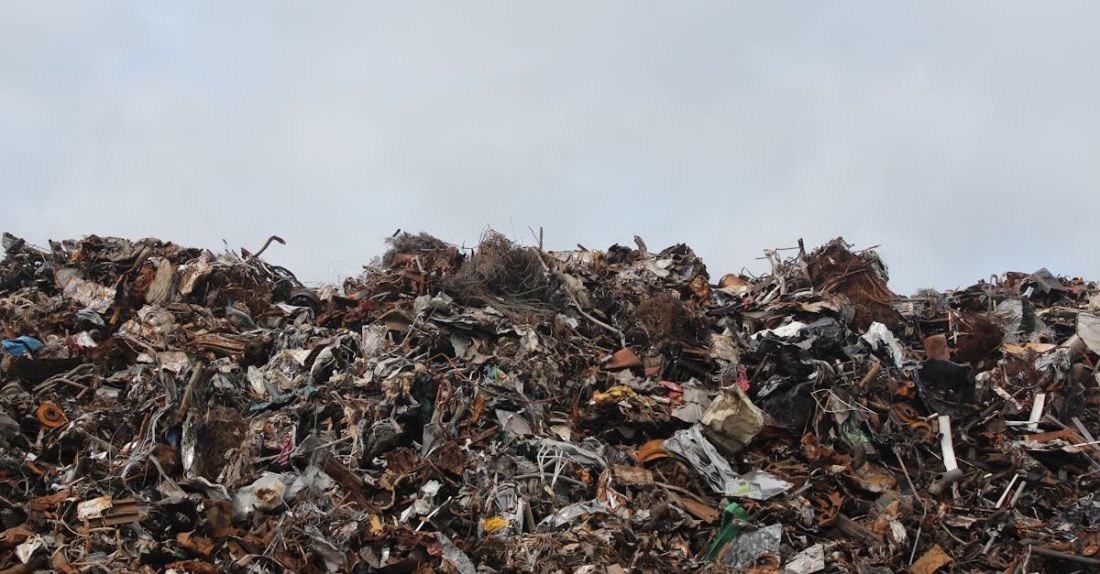
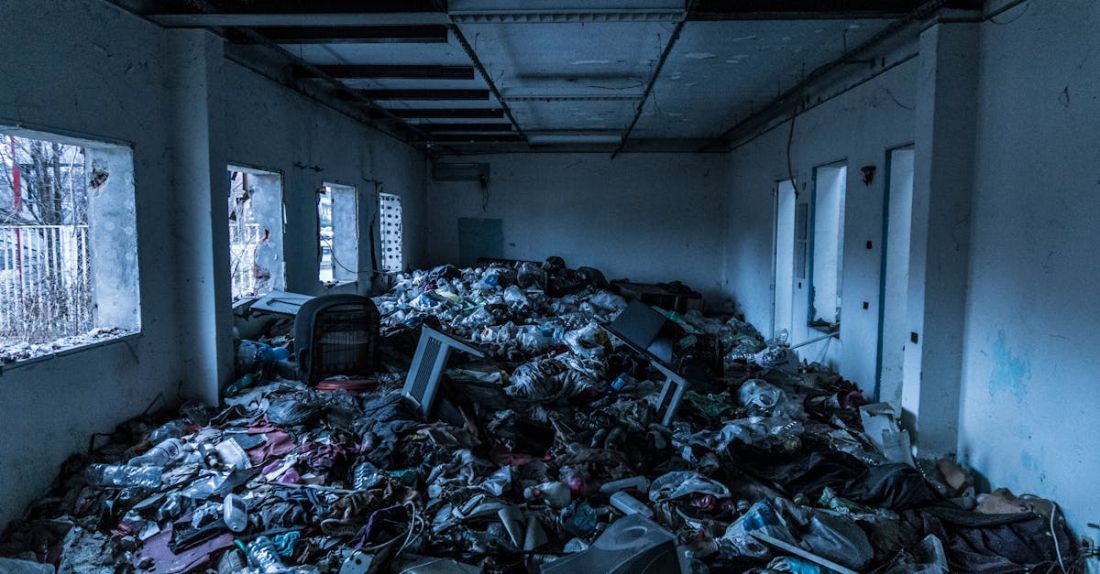
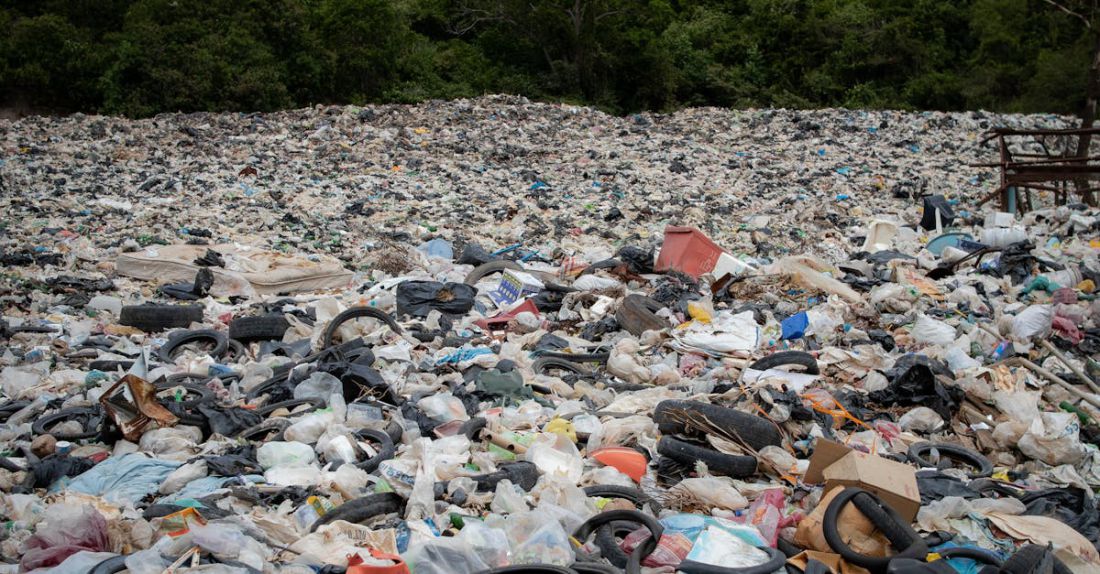
Urban areas face unique challenges when it comes to waste management. With high population densities and consumption rates, cities generate significant amounts of waste on a daily basis. Traditional waste management practices, such as landfilling and incineration, are not sustainable in the long run and contribute to pollution and resource depletion. Implementing zero waste initiatives in cities requires a fundamental shift in how waste is viewed and managed.
Waste Reduction Strategies
One of the key principles of zero waste is waste prevention. Cities can implement various strategies to reduce waste generation at the source. This includes promoting the use of reusable products, encouraging businesses to reduce packaging, and implementing policies that discourage single-use items. By focusing on waste prevention, cities can significantly reduce the amount of waste that ends up in landfills or incinerators.
Promoting Recycling and Composting
Recycling and composting are essential components of a zero waste strategy. Cities can implement programs to make recycling and composting more accessible to residents and businesses. This includes providing convenient recycling facilities, educating the public about proper recycling practices, and incentivizing businesses to compost organic waste. By increasing recycling and composting rates, cities can divert a significant amount of waste from landfills and reduce the overall environmental impact of waste disposal.
Supporting Circular Economy Practices
A key aspect of zero waste is the concept of a circular economy, where resources are kept in use for as long as possible through recycling, reuse, and repair. Cities can support circular economy practices by promoting sustainable production and consumption patterns, encouraging the development of local recycling industries, and creating markets for recycled materials. By embracing the principles of the circular economy, cities can reduce their reliance on finite resources and minimize waste generation.
Community Engagement and Education
Implementing zero waste initiatives in cities requires the active participation of residents, businesses, and local organizations. Community engagement and education play a crucial role in raising awareness about waste issues and building support for sustainable practices. Cities can organize workshops, events, and campaigns to educate the public about the importance of waste reduction and recycling. By fostering a sense of community ownership and responsibility, cities can create a culture of sustainability that supports zero waste initiatives.
Policy and Regulation
Strong policy and regulation are essential for the successful implementation of zero waste initiatives in cities. Cities can enact laws and regulations that promote waste reduction, recycling, and composting, such as banning single-use plastics, implementing extended producer responsibility schemes, and setting targets for waste diversion. By creating a supportive policy environment, cities can provide the necessary framework for businesses and residents to adopt sustainable practices and contribute to the goal of zero waste.
Creating Sustainable Futures
Implementing zero waste initiatives in cities is a complex and multifaceted process that requires collaboration, innovation, and commitment from all stakeholders. By focusing on waste prevention, promoting recycling and composting, supporting circular economy practices, engaging the community, and implementing strong policies, cities can make significant progress towards reducing waste generation and creating a more sustainable future. Zero waste is not just a goal; it is a mindset shift that can lead to lasting environmental benefits for current and future generations. Embracing zero waste initiatives in cities is a crucial step towards creating sustainable futures for all.